


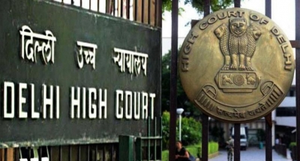
New Delhi, Aug 22 (IANS) The Delhi High Court has pulled up the Central Pollution Control Board and Delhi Pollution Control Committee for running away from the responsibility of safe disposal of hazardous materials lying in a cargo container at an inland depot in southeast Delhi for the past four years.
A bench of Anil Kshetarpal and Justice Shail Jain said that it was unfortunate that both the pollution control bodies were trying to pass the buck rather than solving the problem. The court fixed the next hearing for August 24, a lawyer said.
The case is related to the petition of a freight agency to take back its container. The controversy revolves around a container in which an importer had allegedly imported hazardous plastic waste instead of aluminium, giving false information to the authorities about the goods.
Later, the importer absconded and the container, full of toxic waste, remained lying in the container depot at Tughlakabad.
The bench, in an order delivered on August 20, gave both the CPCB and DPCC a final chance to sort out their differences within a week and file reports on how to safely dispose of the toxic plastic waste stacked in the container.
During the last hearing on July 29, the High Court had directed CPCB and DPCC to resolve their differences and come up with a joint strategy to proceed in the matter.
The court warned that it would be forced to issue stern directions against officials of both the pollution control agencies if they continue to shirk responsibility for the disposal of the waste.
Earlier, the container depot authorities refused to come into the picture and unlock the container suspected to be containing alleged toxic waste.
During the hearing, the Customs officials favoured emptying the container and returning it to the freight company.
In another development related to over 45 appeals and petitions, the High Court held that an importer, as the ultimate beneficiary of customs duty benefits, bears the primary duty to verify the genuineness and lawful entitlement of duty credit scrips used for clearance of goods.
The court observed that importers cannot escape liability for duty evasion or forged instruments by pleading ignorance or attributing full responsibility to their customs clearing agents.
–IANS
rch/uk