


Ranchi, May 26 (IANS) As Prime Minister Narendra Modi completed 12 years in office on Tuesday, beneficiaries of key Central welfare schemes in Jharkhand reflected on the changes these initiatives have brought to their lives, with many saying government support has improved their living conditions and strengthened their financial security.
Since taking oath as India’s 14th Prime Minister on May 26, 2014, PM Modi has focused on welfare delivery with the mantra of “Citizen First”, aiming to ensure housing, water and essential facilities reach the poorest sections. Beneficiaries in Jharkhand say the impact of these schemes is visible on the ground.
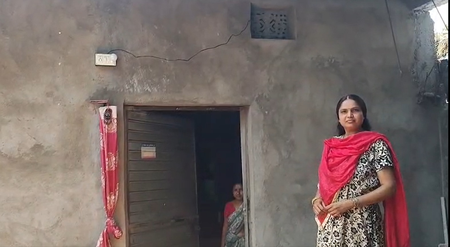
In the Gumla district, residents benefiting from the Pradhan Mantri Awas Yojana said the scheme has become a major support for poor families and changed their lives significantly.
Meena Devi, a beneficiary of the housing scheme, said her family had earlier lived in a mud-tiled house that leaked heavily during the rainy season, making life difficult every monsoon.
“Rainwater used to drip from all sides, and we spent every monsoon in fear and discomfort. After receiving a house under the Prime Minister’s scheme, we feel safe and secure. Our biggest worry has ended,” she said, thanking Prime Minister Modi.
Another beneficiary, Anita Devi, said her family had earlier lived under an asbestos roof where water leakage was a regular problem.
“Now we have a good house and can live comfortably without worrying about rain damaging the house. Every poor family should get this kind of support,” she said.
Residents in the district said PM Modi’s promise of providing housing to every poor family is becoming a reality in the area. They added that if such welfare schemes continue, no poor person will be left struggling for shelter.
Meanwhile, in Jharkhand’s Jamtara district, PM KUSUM Yojana (Pradhan Mantri Kisan Urja Suraksha evam Utthan Mahabhiyan) beneficiary and farmer Damodar Singh credited the scheme for improving both irrigation and income.
He said the solar pump provided under the scheme has helped him move away from costly diesel and unreliable electricity supply.
“Earlier, irrigation through diesel pumps cost me nearly Rs 8,000 to Rs 10,000 every month. Now irrigation is free, and there is no concern about diesel or power bills,” he said.
Beneficiaries say whether through housing support or solar-powered irrigation, Central welfare schemes are helping improve livelihoods in rural Jharkhand and reflecting the changing face of village life over the last 12 years.
–IANS
sn/uk