


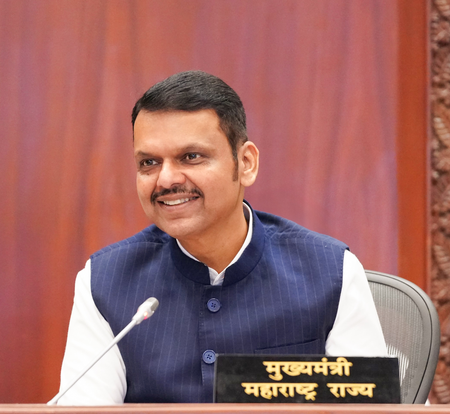
Mumbai, Aug 18 (IANS) In a major consolidation of administrative authority, Chief Minister Devendra Fadnavis has been granted legal power to intervene in and override decisions taken by any cabinet minister in Maharashtra, provided it is done in the larger public interest.
The state government officially notified the Maharashtra Government Rules of Business, 2026, which explicitly outline the administrative powers and procedures for the Chief Minister, Cabinet Ministers, Chief Secretary and departmental secretaries.
Published by the General Administration Department in the State Gazette under Article 166 (2) and (3) of the Constitution of India, the new framework supersedes all previous rules and procedures to streamline executive decision‑making across the state.
Under the newly notified framework, the Chief Minister holds explicit legal standing to alter, modify or overturn decisions made by any minister if deemed necessary for public welfare. Quasi‑judicial matters remain exempt.
Officials said the Chief Minister is legally required to record detailed reasons in writing for overturning a minister’s decision. The Chief Minister reserves the right to call for official documents, files or records from any department at any time, and respective ministers and departmental secretaries are legally bound to comply. Routine administrative work and primary responsibility of a department will continue to rest with the minister‑in‑charge.
Under Rule 13(5), the Chief Minister holds explicit authority to alter, modify or cancel decisions made by departmental ministers for the public good. Rule 2(c) formally defines a “case” to include digital notes, e‑documents and digital files processed within the state’s e‑Office system.
Rule 17(2) and Rule 39 mandate that no administrative department can issue orders involving financial implications, such as revenue abandonment, land grants, concessions or unbudgeted expenditure, without prior concurrence of the Finance Department. The Chief Secretary serves as the chief of civil services in the state and secretary to the Cabinet.
Under Rule 16(1), the Chief Secretary is mandated to advise the Chief Minister or Ministers if any proposed course of action violates statutory provisions or established policy. Departments are required to consult all affected ministries before making decisions. Any potential dispute or controversy involving the Government of India or other state governments must be reported to the Chief Minister and the Governor immediately.
The notification allows the state government to constitute Empowered Committees headed by the Chief Secretary, Additional Chief Secretary or Principal Secretary to decide on designated subjects. The newly issued rules came into force immediately upon their publication in the official gazette on August 14, 2026.
Officials said the notification has raised eyebrows across political corridors regarding how this move will impact coalition dynamics within the ruling Mahayuti government. Portfolios in the state cabinet are shared among key coalition partners, including the Bharatiya Janata Party (BJP), Eknath Shinde’s Shiv Sena and Sunetra Pawar’s Nationalist Congress Party (NCP). Analysts suggest that if CM Fadnavis exercises this authority to reverse decisions taken by ministers from allied parties, it could potentially trigger internal political friction or debates within the alliance.
–IANS
sj/dan