


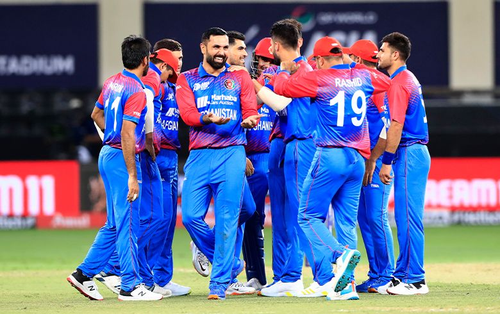
New Delhi, Aug 21 (IANS) The Afghanistan Cricket Board (ACB) is in discussions with the Board of Control for Cricket in India (BCCI) to potentially alter the dates of the upcoming three-match T20I series between the two nations.
As per the original schedule, the three T20Is are to be played on September 13, 15 and 17 respectively at the Arun Jaitley Stadium in New Delhi. But the ACB is seeking to move the games to September 11, 13 and 14 respectively. The move comes with an eye on potential boost in venue turnout and television viewership, especially with Ganesh Chaturthi coming on September 14.
Afghanistan will be hosting India in a men’s bilateral T20I series, though the venue on this occasion is ironically India’s national capital. “ACB has made the gesture and is in discussion with the BCCI. We should have a formal nod by Monday. 14th is a high possibility for one of the three matches.
“The rest of the schedule will depend on the planning and logistics between DDCA, BCCI and ACB. We will share officially once the final revised schedule is out, as the discussions are still ongoing,” Bhairav Shanth, co-founder of ITW Universe, which holds the rights for the T20I series, told IANS on Friday.
While a Delhi & District Cricket Association (DDCA) official stated to this agency that they had no prior knowledge of the proposed changes, the BCCI confirmed that any final decision regarding the alteration in schedule rests with the ACB.
“This is Afghanistan’s call, not our call. They are hosting the matches as they don’t have a ground in their country to host international games right now. That’s why they have come to India to host this series. A call on this will come from ACB,” said a BCCI official.
The upcoming T20I fixtures will complete the multi-format engagements between the two sides. In June, India hosted Afghanistan for a one-off Test match and three-match ODI series, with the hosts winning all games. The upcoming T20I series will be shown live on Sony Sports Network channels, while FanCode has live streaming rights.
–IANS