


Bengaluru: The World Health Organization (WHO) has recognised Karnataka’s Asha Kirana initiative as a successful model for integrating people-centred eye care into the public health system, state health minister UT Khader said.
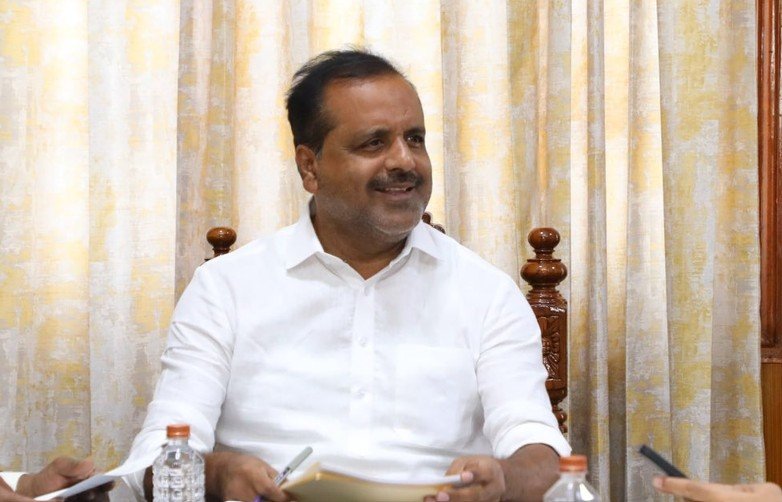
On the occasion of World Sight Day, Khader released the WHO report Advancing Integrated, People Centred Eye Care, which documents the initiative’s approach to preventing avoidable blindness through early screening, treatment and improved access to eye care services.
According to the minister, Asha Kirana focuses on addressing two leading causes of avoidable blindness — uncorrected refractive errors and cataracts. The programme uses door-to-door screening by ASHA workers and healthcare teams to identify people requiring care and connect them to free spectacles, treatment and surgery.
The initiative has delivered 2.2 crore primary eye screenings, distributed 8.5 lakh spectacles free of cost and facilitated 8.61 lakh cataract surgeries across Karnataka, Khader said.
393 vision centres strengthen access to eye care
A key milestone under the programme is the establishment of 393 Drishti Kendras, or vision centres, as part of the state’s public healthcare system.
Located in community health centres, taluk hospitals and district hospitals, these centres provide accessible eye care and are linked to secondary healthcare facilities for cataract surgery and treatment of complex eye conditions.
The network is intended to bring quality eye care closer to communities while improving accessibility, equity and long-term sustainability.
Khader thanked the WHO for recognising the initiative and acknowledged the contribution of doctors, ASHA workers and other health department staff in delivering services at the community level.
He said Karnataka’s experience could guide similar initiatives elsewhere and support efforts to prevent avoidable blindness.
The state aims to build on the programme’s reach and strengthen its commitment to a blindness-free future.