


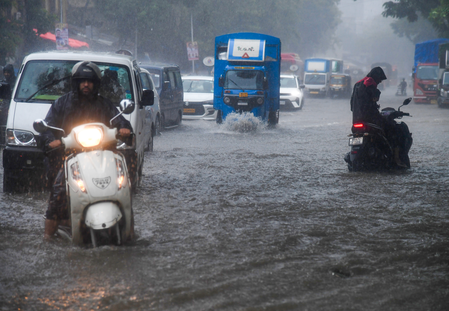
Mumbai, July 9 (IANS) The Brihanmumbai Municipal Corporation (BMC) on Thursday urged citizens to take preventive measures against leptospirosis, warning that walking through rainwater or mud with open wounds significantly increases the risk of infection during the monsoon season.
In an advisory issued by its Public Health Department, the civic body appealed to people who have waded through stagnant rainwater or mud to seek medical advice and take preventive medication within 24 to 72 hours, as recommended by doctors.
Mumbai has been witnessing heavy rainfall over the past several days, resulting in waterlogging across many parts of the city. During this period, people walking through stagnant or slow-moving water are at an increased risk of contracting leptospirosis, particularly if they have cuts, wounds, or even minor scratches on their bodies, the BMC said, warning that leptospirosis is a serious disease and can become life-threatening if not diagnosed and treated in time.
According to the Public Health Department, rainwater mixed with contaminated mud may contain Leptospira bacteria (spirochaetes), which cause leptospirosis. The bacteria can enter the body through even small cuts or abrasions on the skin, leading to infection.
It has therefore advised anyone exposed to rainwater or mud to consult a doctor without delay and take preventive medication within the recommended 24 to 72-hour window.
Citizens have been asked to visit the Hindu Hruday Samrat Balasaheb Thackeray Clinics, BMC dispensaries, health centres and municipal hospitals, where medical consultations, health check-ups, guidance and preventive medicines are being provided free of cost.
The civic body has also urged residents to spread awareness among their family members, friends and neighbours about the disease and the importance of early preventive treatment.
The Public Health Department further advised people not to ignore fever during the monsoon season, as it could be a symptom of leptospirosis, dengue, or malaria. Residents experiencing fever or other related symptoms have been urged to seek immediate medical attention instead of resorting to self-medication.
As a preventive measure, the BMC has advised citizens with cuts or wounds on their feet to avoid walking through stagnant water. If it is unavoidable, they should wear rubber boots or other protective footwear. After coming into contact with rainwater, people should wash their feet thoroughly with soap and clean water and dry them properly to minimise the risk of infection.
–IANS
jk/vd