


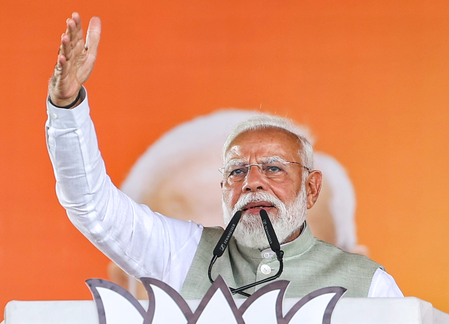
New Delhi, March 21 (IANS) Prime Minister Narendra Modi on Saturday conveyed his greetings to citizens on the occasions of Eid-ul-Fitr and Navroz, wishing for peace, prosperity, and well-being for all.
Taking to the social media platform X, the Prime Minister extended warm wishes on Eid-ul-Fitr.
“Best wishes on Eid-ul-Fitr. May this day further brotherhood and kindness all around. May everyone be happy and healthy. Eid Mubarak,” PM Modi said.
In a separate message, he also greeted people on Navroz, wishing for a year filled with joy, success, and the fulfilment of aspirations.
“Greetings on the special occasion of Navroz. Praying for a year filled with prosperity and joy. May everyone be healthy and may all aspirations be realised. Navroz Mubarak,” PM Modi said.
Eid-ul-Fitr is among the most significant celebrations in Islam and marks the conclusion of the holy month of Ramadan. During this sacred period, Muslims across the globe observe fasting from dawn to dusk, engage in prayers, and focus on spiritual growth and self-discipline. The festival begins with the sighting of the moon, signalling the start of Shawwal, the tenth month of the Islamic calendar, and the end of the fasting period.
Although Eid is officially celebrated for a single day, festivities often extend over several days in many regions. The occasion is characterised by communal prayers, festive meals, and social gatherings. People visit relatives and friends, exchange greetings, and share traditional dishes, creating an atmosphere of warmth and togetherness. In numerous countries, Eid-ul-Fitr is also recognised as a public holiday, enabling communities to participate fully in the celebrations.
The term Eid-ul-Fitr translates to the “festival of breaking the fast,” symbolising gratitude and joy after completing Ramadan. It is a time to reflect on personal growth achieved during the month and to express thankfulness. Acts of charity are an essential part of the celebration, ensuring that those in need can also partake in the festivities, thereby promoting compassion and social unity.
The day typically begins with a special congregational prayer held in the morning. People prepare by wearing new or traditional attire, maintaining personal hygiene, and applying fragrance. Following the prayers, it is customary for individuals to greet one another, share meals, and exchange gifts, reinforcing bonds within families and communities.
Meanwhile, Navroz, also known as Nowruz, is an ancient festival that heralds the arrival of spring and the beginning of the new year in the Persian calendar. Celebrated by millions worldwide, particularly among Parsis and communities with Persian heritage, the festival has roots in Zoroastrian traditions and has been observed for over three millennia. It symbolises renewal, the rejuvenation of nature, and the enduring victory of light over darkness.
–IANS
jk/rad